Description
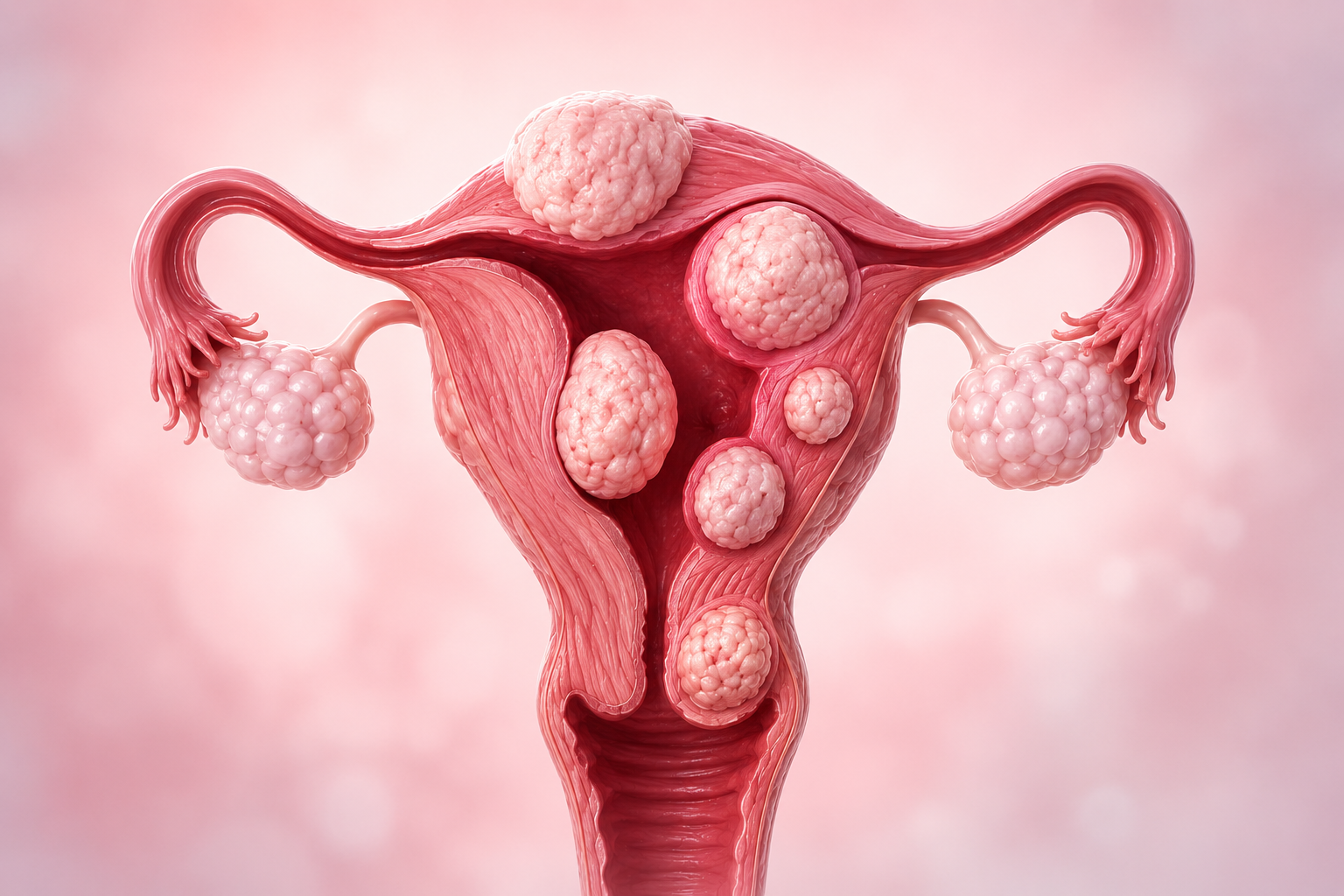
Fibroids are non-cancerous growths that develop in or around the uterus. They are one of the most common gynecological conditions affecting women, particularly during their reproductive years. Fibroids can vary in size, number, and location, and while some women may experience no symptoms, others may face discomfort that affects their daily life.
The exact cause of fibroids is not fully understood, but factors such as hormonal changes, genetics, and lifestyle may contribute to their development. Early diagnosis and appropriate medical care can help manage symptoms effectively and improve overall reproductive health.
Symptoms of Fibroids
1. Heavy or Irregular Menstrual Bleeding
Fibroids can cause prolonged, heavy, or irregular periods, which may lead to fatigue and discomfort due to excessive blood loss.
2. Pelvic Pain and Pressure
Larger fibroids may create pressure in the pelvic area, resulting in pain, cramping, or a feeling of fullness in the lower abdomen.
3. Urinary and Bowel Problems
Fibroids can press against the bladder or bowel, causing frequent urination, constipation, bloating, or difficulty emptying the bladder completely.
4. Reproductive and Physical Discomfort
Some women may experience lower back pain, pain during intercourse, abdominal enlargement, or fertility challenges depending on the size and location of the fibroids.
The symptoms of fibroids can vary from mild to severe depending on their size, number, and location within the uterus. While some women may experience no noticeable symptoms, others may face significant discomfort that affects their daily life and overall well-being. Early diagnosis and timely medical consultation can help manage symptoms effectively, improve quality of life, and support better reproductive health.