
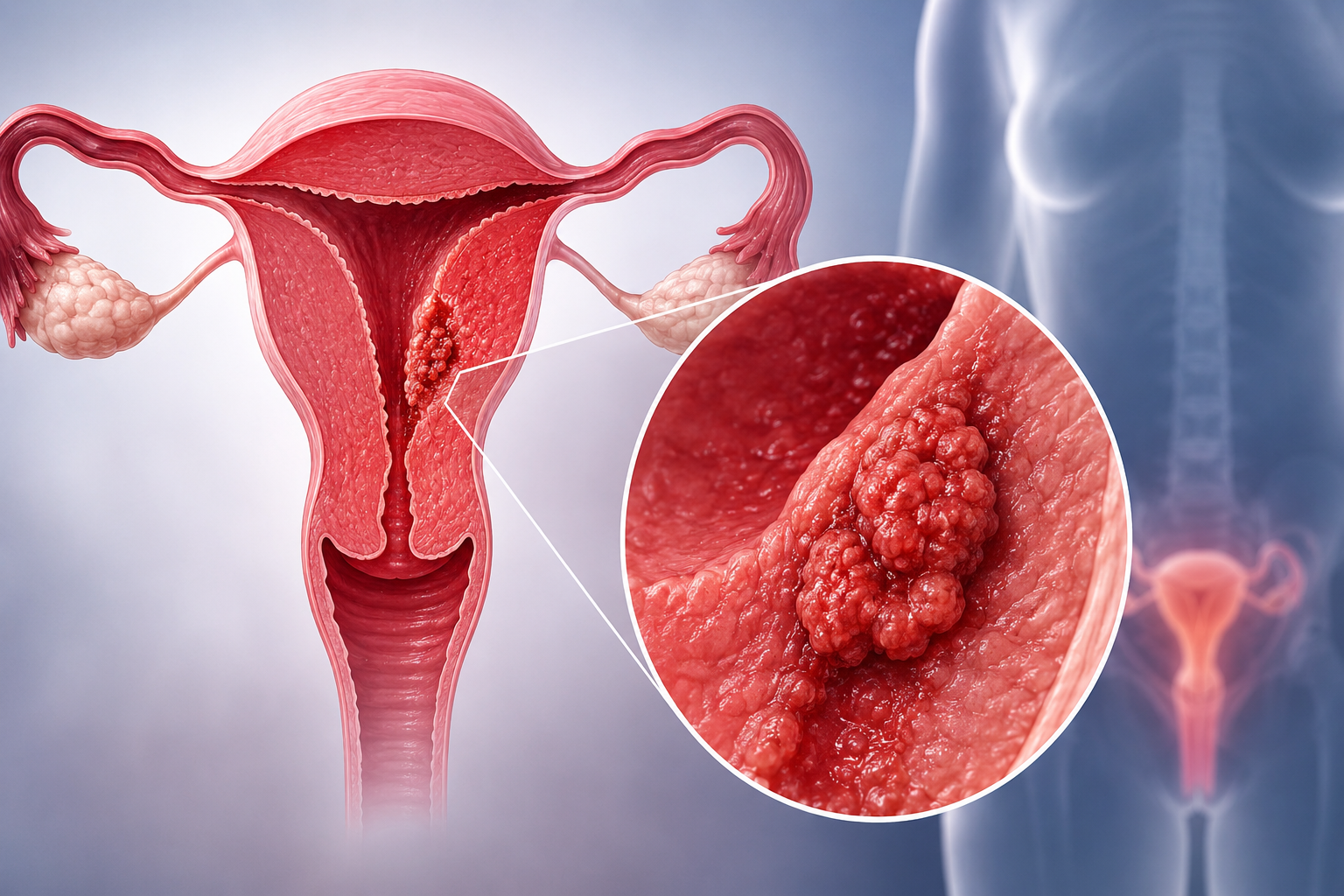
Endometrial cancer is a type of cancer that begins in the lining of the uterus, known as the endometrium. It is one of the most common gynecological cancers and primarily affects women after menopause, although it can occur at any age. Common symptoms include abnormal vaginal bleeding, pelvic pain, and unusual discharge. Risk factors include obesity, hormonal imbalances, diabetes, high blood pressure, and a family history of certain cancers.
Early detection of endometrial cancer often leads to successful treatment outcomes. Diagnosis may involve pelvic examinations, ultrasound scans, endometrial biopsy, and imaging tests. Treatment options depend on the stage and severity of the disease and may include surgery, radiation therapy, chemotherapy, hormone therapy, or targeted treatments. Maintaining a healthy lifestyle and seeking medical attention for abnormal symptoms can help improve early diagnosis and overall prognosis.
Pain during sexual activity or a burning sensation while urinating may indicate irritation or involvement of nearby tissues. Medical evaluation is recommended if these symptoms persist.
Endometrial cancer develops in the inner lining of the uterus and is most commonly diagnosed in postmenopausal women. Early detection is important because treatment is often highly effective when the disease is found in its initial stages
Regular gynecological checkups and prompt attention to abnormal symptoms can help with early diagnosis and better outcomes. Treatment options may include surgery, radiation therapy, chemotherapy, hormone therapy, or targeted treatments depending on the stage of the cancer.
Comprehensive women’s healthcare solutions delivered with advanced medical expertise and compassionate care.
Prioritize your well-being with expert medical care, advanced treatments, and compassionate support tailored to your healthcare needs.
Dr. Suchitra Gynaec Oncology Clinic is committed to delivering compassionate, personalized, and advanced gynecologic and oncology care.
+91-63032 85050
Survey No.64, Huda Techno Park, The Medical Centre, 4th Floor Plot 27, Phase 2, HITEC City, Hyderabad, Telangana 500081
First Floor, near Aparna Sarovar Road, Nallagandla, Telangana 500019