
Vulvar cancer is a rare type of cancer that develops in the vulva, the external part of the female genital area. It most commonly affects the outer lips of the vulva but can occur in any part of the vulvar region. Risk factors include increasing age, persistent human papillomavirus (HPV) infection, smoking, and certain skin conditions affecting the vulva.
Common symptoms of vulvar cancer include persistent itching, pain or tenderness, changes in skin color or texture, and the presence of a lump, sore, or ulcer that does not heal. Early diagnosis is important and may involve a physical examination, biopsy, and imaging tests. Treatment options can include surgery, radiation therapy, chemotherapy, or targeted therapies depending on the stage and extent of the cancer.
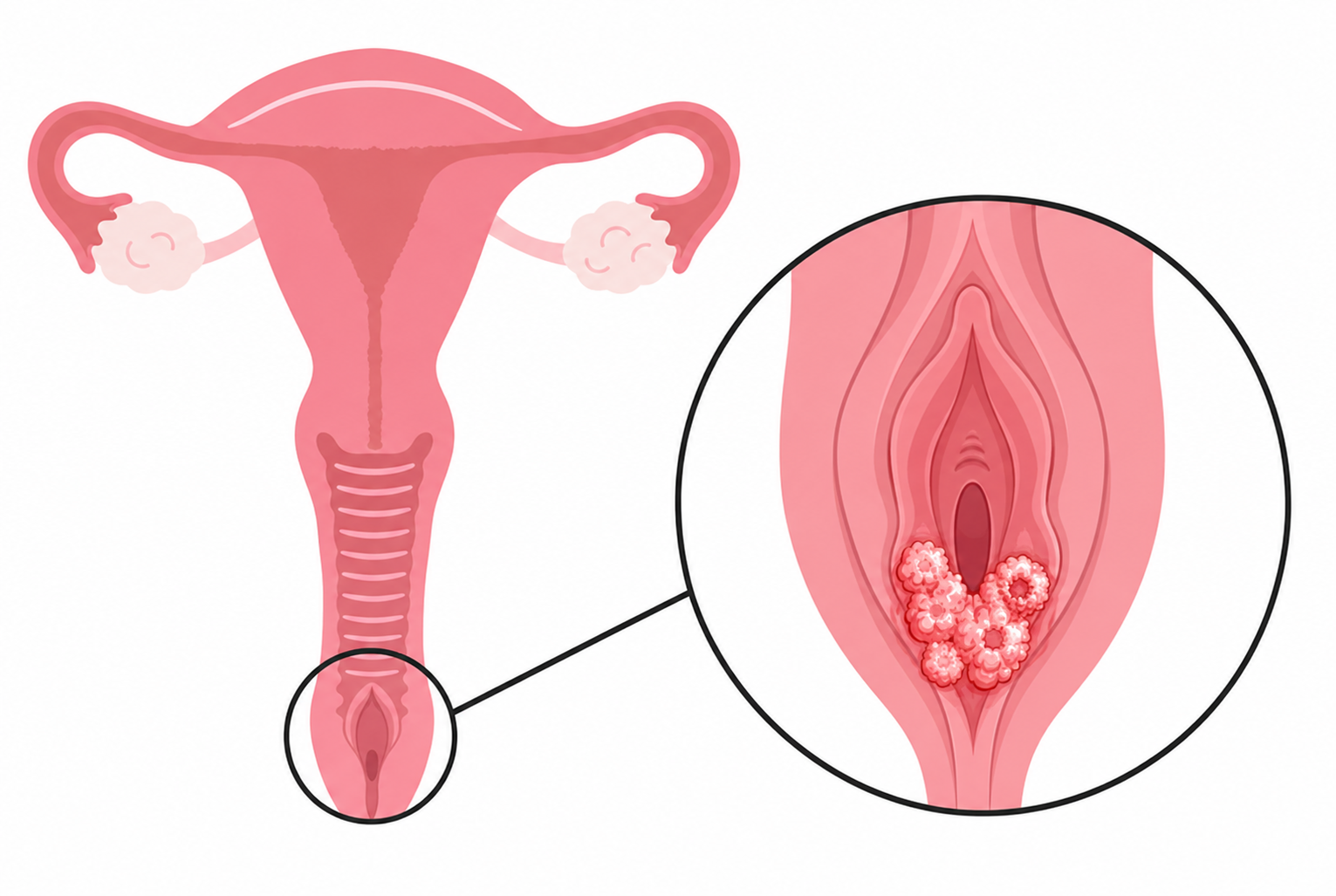
Long-lasting itching in the vulvar area is one of the most common symptoms of vulvar cancer. The itching may not improve with regular treatments and can become increasingly uncomfortable over time.
The skin of the vulva may become thicker, rougher, lighter, darker, or develop unusual patches. Any persistent change in the appearance of the vulvar skin should be evaluated by a healthcare professional.
A visible lump, wart-like growth, sore, or ulcer on the vulva that does not heal can be a warning sign of vulvar cancer. In some cases, the area may bleed or produce discharge.
Vulvar cancer develops in the external female genital area and is relatively uncommon compared to other gynecological cancers. Early symptoms are often mistaken for less serious conditions, which can delay diagnosis and treatment.
Regular gynecological examinations and prompt evaluation of persistent vulvar symptoms can help detect the disease at an early stage. Treatment options may include surgery, radiation therapy, chemotherapy, or targeted therapies, depending on the type and stage of the cancer.
Comprehensive women’s healthcare solutions delivered with advanced medical expertise and compassionate care.
Prioritize your well-being with expert medical care, advanced treatments, and compassionate support tailored to your healthcare needs.
Dr. Suchitra Gynaec Oncology Clinic is committed to delivering compassionate, personalized, and advanced gynecologic and oncology care.
+91-63032 85050
Survey No.64, Huda Techno Park, The Medical Centre, 4th Floor Plot 27, Phase 2, HITEC City, Hyderabad, Telangana 500081
First Floor, near Aparna Sarovar Road, Nallagandla, Telangana 500019