
Adenomyosis

Description

Adenomyosis is a gynecological condition in which the tissue that normally lines the inside of the uterus grows into the muscular wall of the uterus. This can cause the uterus to become enlarged and lead to symptoms such as heavy menstrual bleeding, severe menstrual cramps, pelvic pain, and a feeling of pressure or fullness in the lower abdomen. The condition most commonly affects women during their reproductive years and can significantly impact daily life.

Early diagnosis and appropriate treatment can help manage symptoms and improve overall quality of life. Healthcare providers may use pelvic examinations, ultrasound, or advanced imaging techniques to diagnose adenomyosis. Depending on the severity of symptoms and a woman’s reproductive goals, treatment options may include medications, hormone therapy, minimally invasive procedures, or surgical interventions to provide long-term relief and improve uterine health.
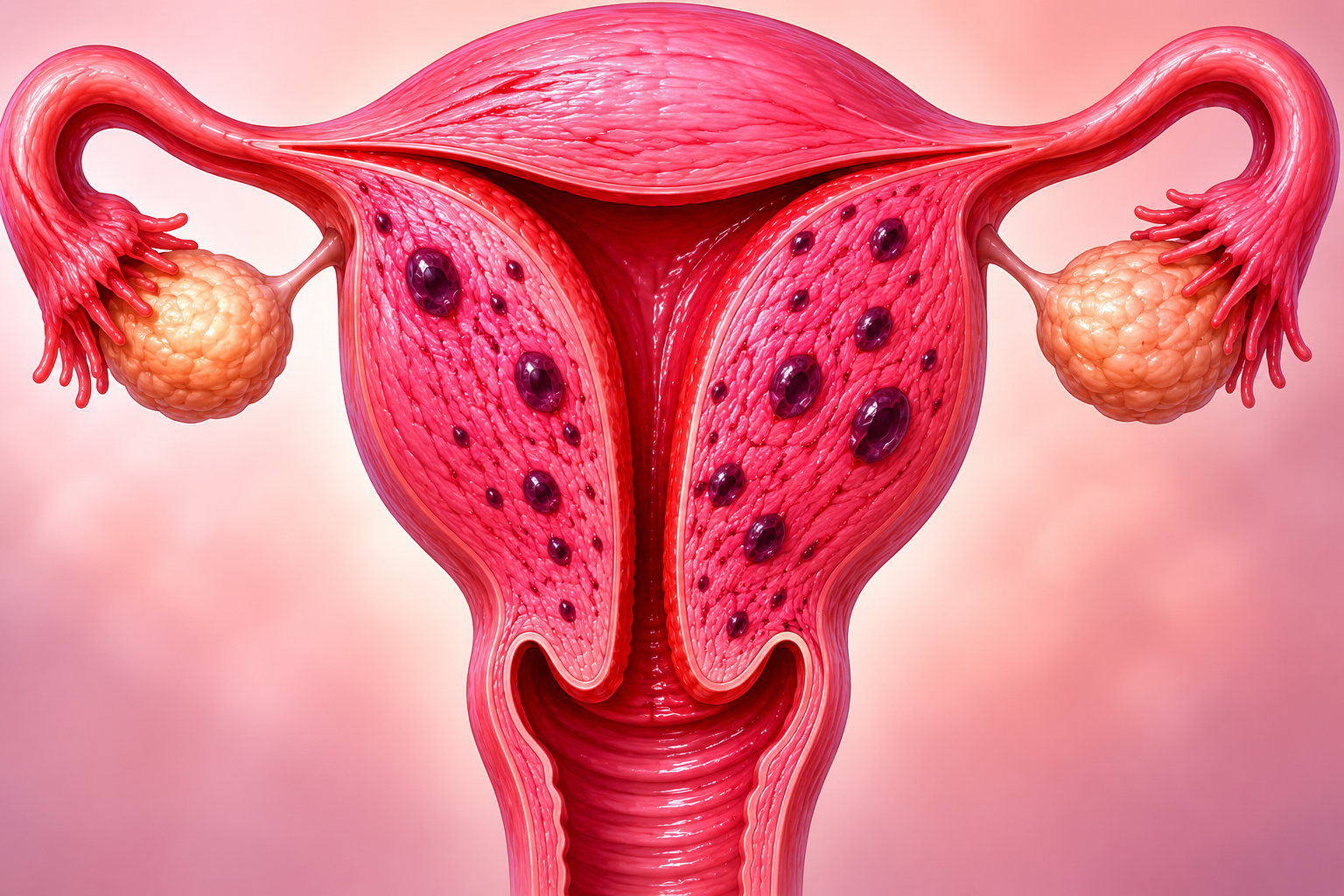
adenomyosis

Symptoms of Adenomyosis

1. Heavy Menstrual Bleeding

Adenomyosis commonly causes prolonged or unusually heavy menstrual bleeding, which may interfere with daily activities and lead to fatigue.

2. Severe Menstrual Cramps

Women with adenomyosis often experience intense menstrual cramps that can worsen over time and may not respond well to regular pain relief methods.

3.Chronic Pelvic Pain

Persistent pain or discomfort in the pelvic region can occur throughout the menstrual cycle, affecting overall comfort and quality of life.

4.Enlarged or Tender Uterus

Adenomyosis can cause the uterus to become enlarged as endometrial tissue grows into the muscular wall of the uterus. This enlargement may create a feeling of pressure, heaviness, or fullness in the lower abdomen, making certain daily activities uncomfortable. Some women may also notice that their abdomen feels bloated or that clothing fits more tightly around the waist during their menstrual cycle.
In addition to enlargement, the uterus may become tender and sensitive, leading to discomfort when pressure is applied to the pelvic area. This tenderness can contribute to chronic pelvic pain and may become more noticeable during menstruation. If an enlarged or tender uterus is accompanied by heavy bleeding, severe cramps, or persistent pelvic discomfort, medical evaluation is recommended for proper diagnosis and treatment.

Other Service

Comprehensive women’s healthcare solutions delivered with advanced medical expertise and compassionate care.

Take the First Step to Better Health Today

Prioritize your well-being with expert medical care, advanced treatments, and compassionate support tailored to your healthcare needs.

How It Works

Your Journey to Better Women's Health Starts Here

01

Book an Appointment

Schedule your visit with our gynecology specialists for personalized women’s healthcare.
02

Consultation

Discuss your symptoms and concerns with our experts for the right guidance and care.
03

Treatment & Care

Receive advanced diagnosis and effective treatment tailored to your health needs.